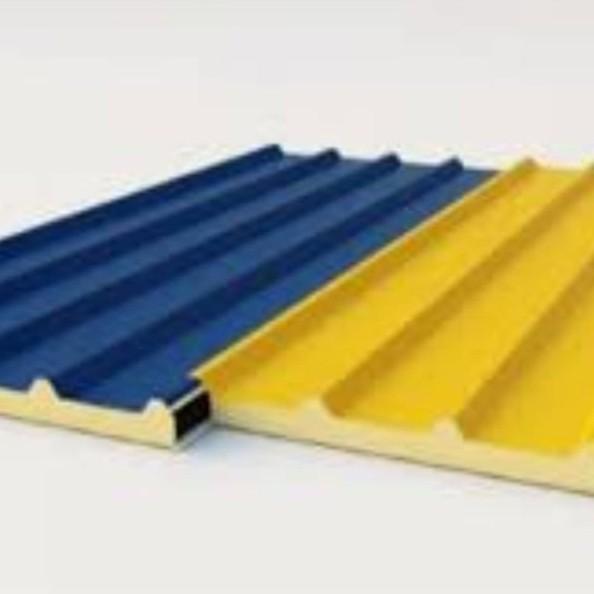

Telecom shelters, also known as telecom enclosures or base station shelters, are protective structures that house and secure telecommunications equipment such as servers, batteries, and power supply systems. These shelters are crucial for maintaining the integrity and performance of telecom networks, especially in outdoor or remote locations.
Here are the main types of telecom shelters:
1. Concrete Shelters (Precast or Cast-in-Place)
Material: Reinforced concrete.
Features:
Highly durable and weather-resistant.
Excellent thermal insulation and security.
Use Case: Ideal for permanent installations in remote or high-risk environments.
Cons: Heavy and expensive to transport and install.
2. Steel Shelters
Material: Galvanized or stainless steel panels.
Features:
Strong and resistant to corrosion (if treated).
Prefabricated and relatively easy to transport.
Use Case: Widely used for both permanent and semi-permanent installations.
Cons: May require additional insulation for temperature control.
3. Aluminum Shelters
Material: Lightweight aluminum alloys.
Features:
Corrosion-resistant and lightweight.
Easy to assemble and disassemble.
Use Case: Used in temporary setups or where weight is a concern (e.g., rooftops).
Cons: Less durable than steel or concrete in extreme weather.
4. Fiber-Reinforced Plastic (FRP) or Composite Shelters
Material: Fiber-reinforced plastics or other composites.
Features:
Lightweight and corrosion-resistant.
Good thermal and electrical insulation.
Use Case: Coastal, high-humidity, or chemically aggressive environments.
Cons: Can be more expensive than traditional materials.
5. Modular Shelters
Material: Varies (steel, aluminum, composites).
Features:
Prefabricated in sections and assembled on-site.
Scalable and flexible in design.
Use Case: Fast deployment, especially in disaster recovery or expanding networks.
Cons: Assembly may require more on-site labor.
6. Container Shelters (ISO Container-Based)
Material: Modified shipping containers (steel).
Features:
Rugged and easy to transport via road, rail, or sea.
Cost-effective for temporary or mobile solutions.
Use Case: Emergency communications, military, or remote site operations.
Cons: Poor insulation without retrofitting.
7. Walk-In Cabinets / Mini Shelters
Material: Typically aluminum or steel.
Features:
Smaller than full-size shelters.
Walk-in capability for one technician.
Use Case: Urban sites or rooftop installations with space constraints.
Cons: Limited space for expansion or additional equipment.
Keywords